Alcohol detox, explained properly
What a supervised detox actually involves, who genuinely needs one, and how it differs from stopping at home. The Wellbourne Clinic is 6.5 miles from Coventry.
The basics
What detox is — and is not
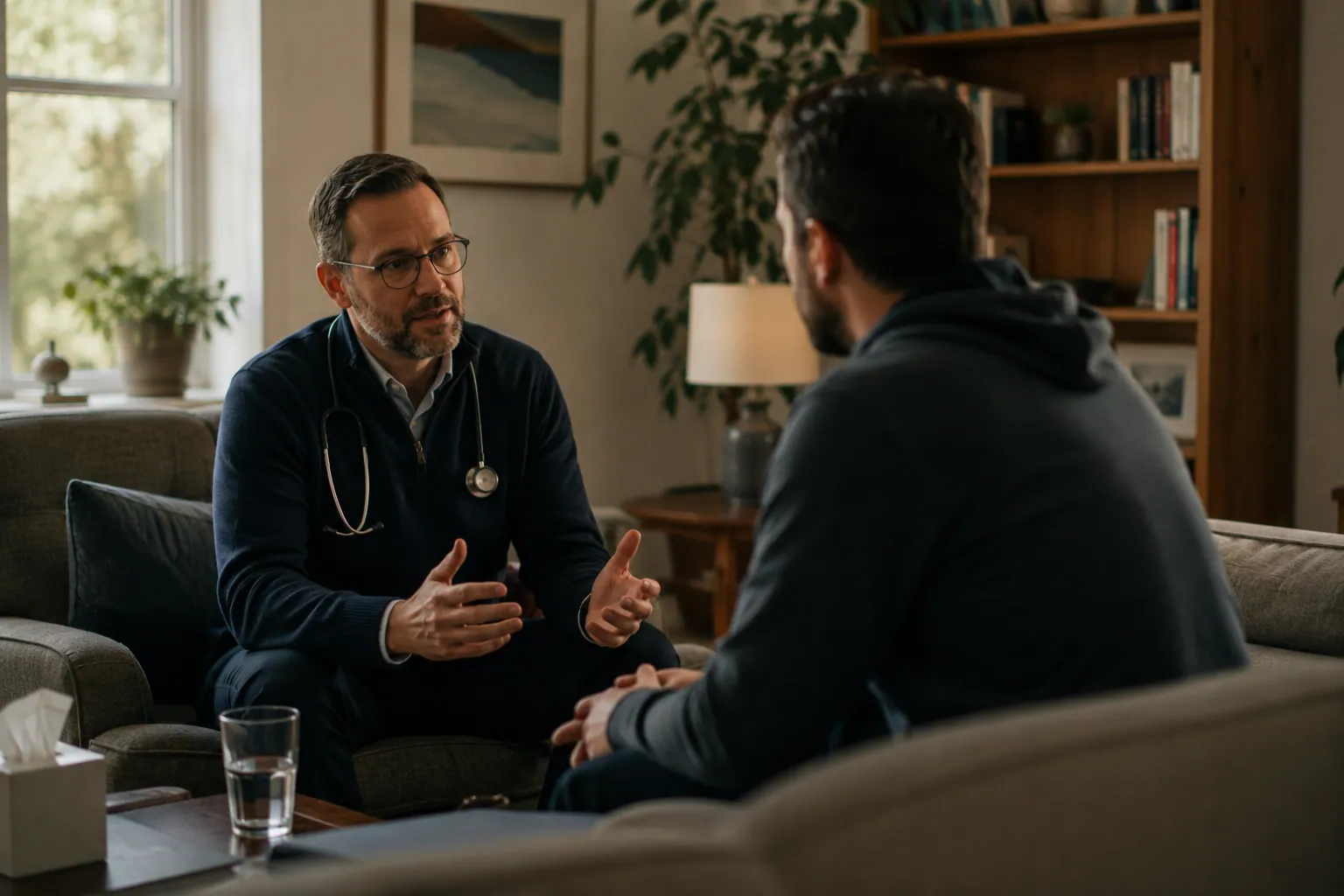
Detox is the process of getting alcohol out of your system safely while your body readjusts. In a clinical setting it means prescribed medication on a reducing schedule, alongside monitoring of symptoms, blood pressure and hydration.
What it is not is treatment. Detox deals with physical dependence over a week or so. It does nothing about the reasons someone was drinking, which is why people who detox and stop there so often end up detoxing again. It is the first step, and treating it as the whole journey is the most common mistake in this field.
Who needs supervision
When stopping alone is genuinely risky
Delirium tremens is a medical emergency and, untreated, alcohol withdrawal seizures and delirium tremens can be fatal. NICE advises admission to hospital for medically assisted withdrawal for people assessed as being at high risk.
The risk concentrates in the first 48 to 72 hours. We have set out the full timeline hour by hour, but the short version is that seizures can begin from around twelve hours, and delirium tremens typically appears at two to three days.
Supervision is advisable if
- Previous delirium tremens
- Previous alcohol withdrawal seizures
- Drinking heavily every day
- Existing liver disease
- Older age
- Other physical or mental health conditions
Clinical information follows NICE CG100 — Alcohol-use disorders: diagnosis and management of physical complications. General information, not medical advice about your situation.
In practice
What a week actually looks like
Day one is assessment and the first doses. Days two and three are usually the hardest — this is the window the medication and monitoring exist for. By day four or five most people are sleeping better and eating properly again, and the medication is tapering. By the end of the week the physical part is largely done and the therapeutic work has already begun.
At The Wellbourne Clinic that happens in a 6-bed clinic in Kenilworth rather than a ward — which for most people makes the difference between enduring the week and getting through it reasonably comfortably. There is more detail on the clinic’s detox page.
Free help, if that is where you want to start
Private treatment is not the only route, and it is not the right one for everyone. These services cost nothing.
- Change Grow Live Coventry — 024 7601 0241self-referral, no GP neededCoventry's free, confidential drug and alcohol service for adults, families and affected others. Offers assessment, community detox support, keywork, healthcare clinics, group sessions, needle exchange, family support and aftercare.1 Lamb Street, Coventry CV1 4AE
- Drinkline — 0300 123 1110Free, confidential national alcohol helpline.
- Alcoholics Anonymous — 0800 917 7650Free peer support, with meetings across Coventry and Warwickshire.
- FRANK — 0300 123 6600Free, confidential drugs information and advice, 24 hours a day.
Community detox through Change Grow Live is free and appropriate for many people. Every route is compared here.
Questions
Common questions about detox
Not sure whether you need a supervised detox?
That is exactly what a first conversation establishes — how much, how long, and what happened last time you stopped.
Calls go to The Wellbourne Clinic in Kenilworth, Warwickshire. If you would rather start with free local support, we have set out those options too.